NADIAH : The Rebirth
On becoming a mother, reclaiming her voice, the challenges and joys of a new chapter, and the music that carried her through.
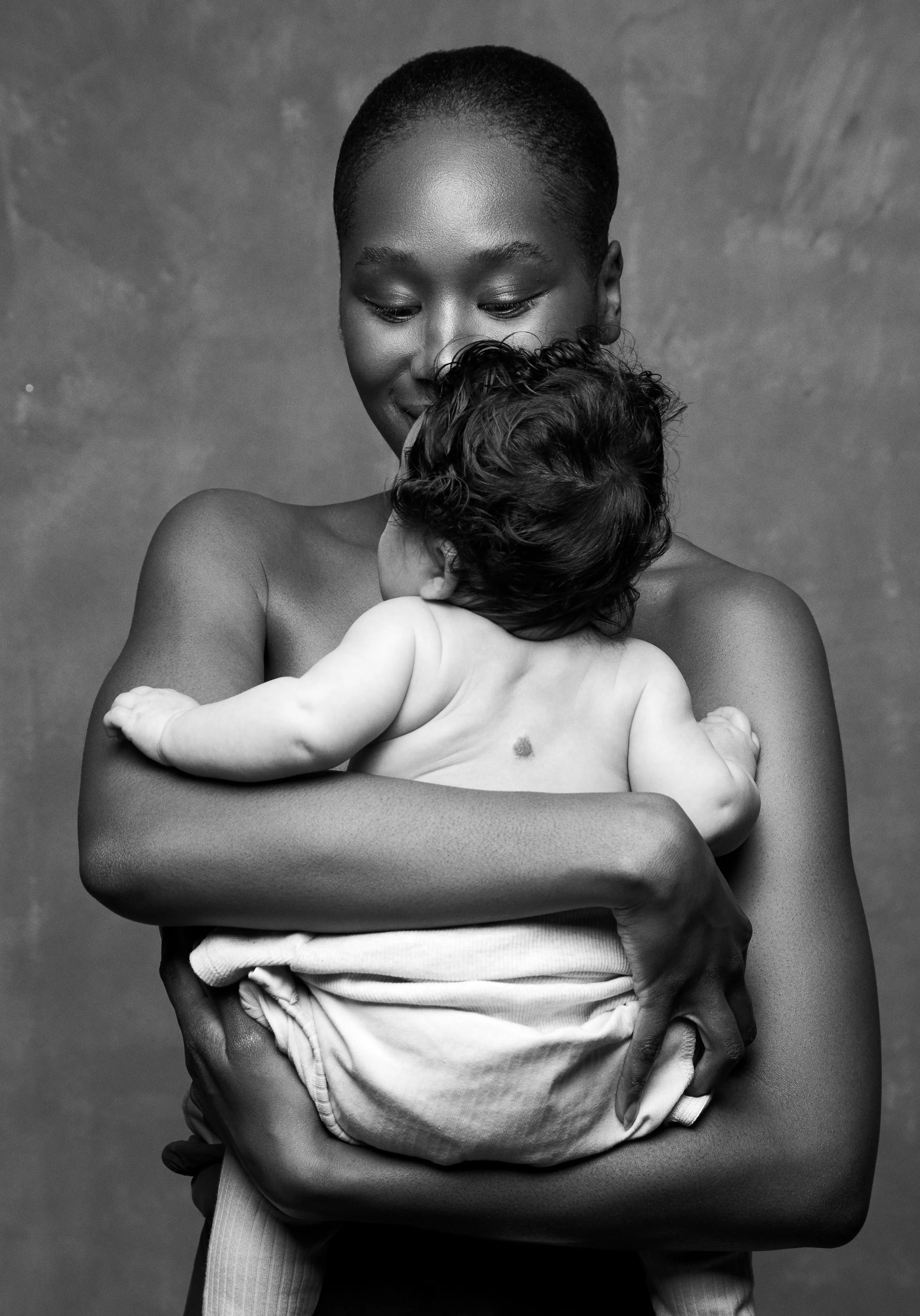
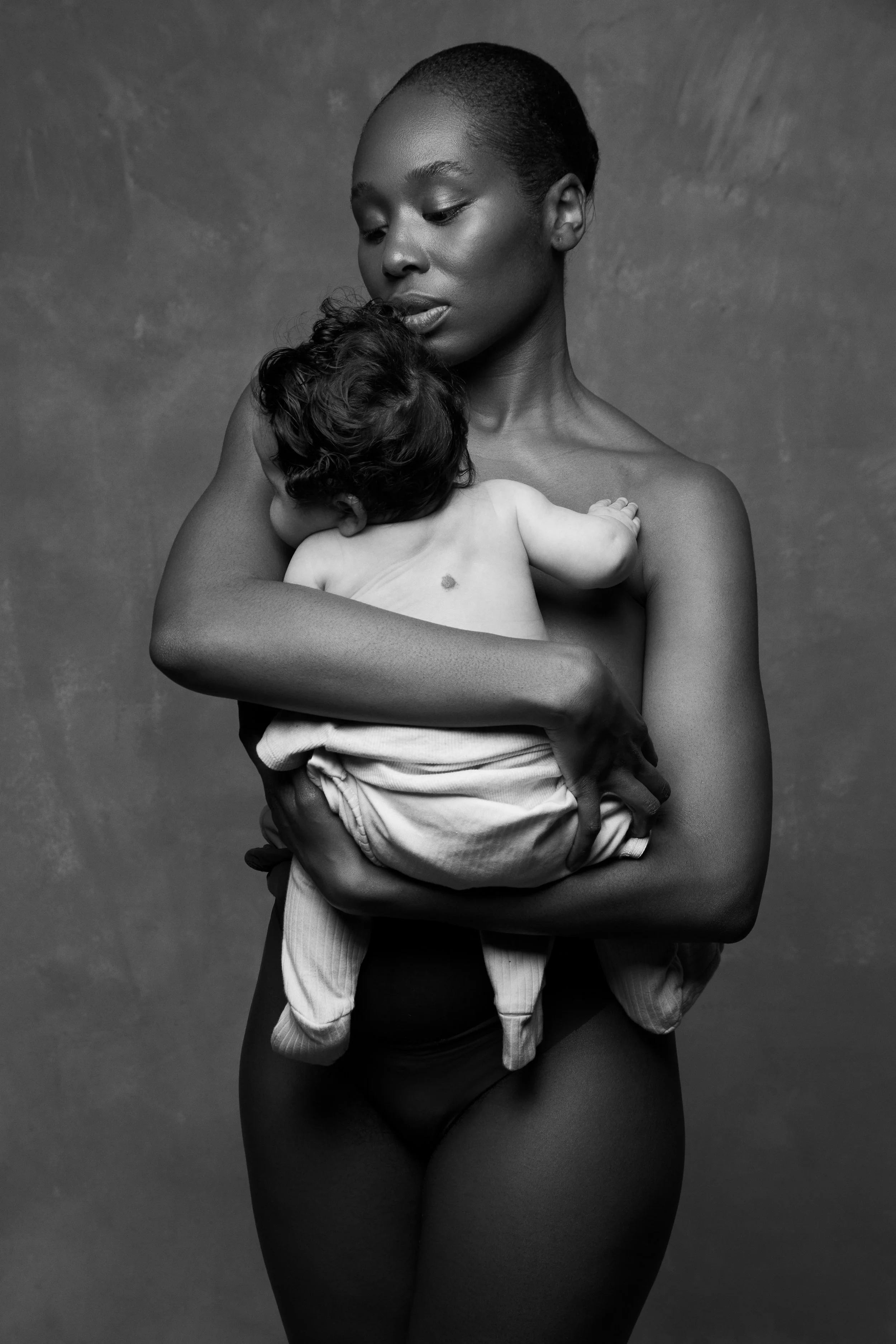
You chose to keep your pregnancy and the first six months of motherhood private. What did protecting that experience give you that sharing it publicly couldn’t?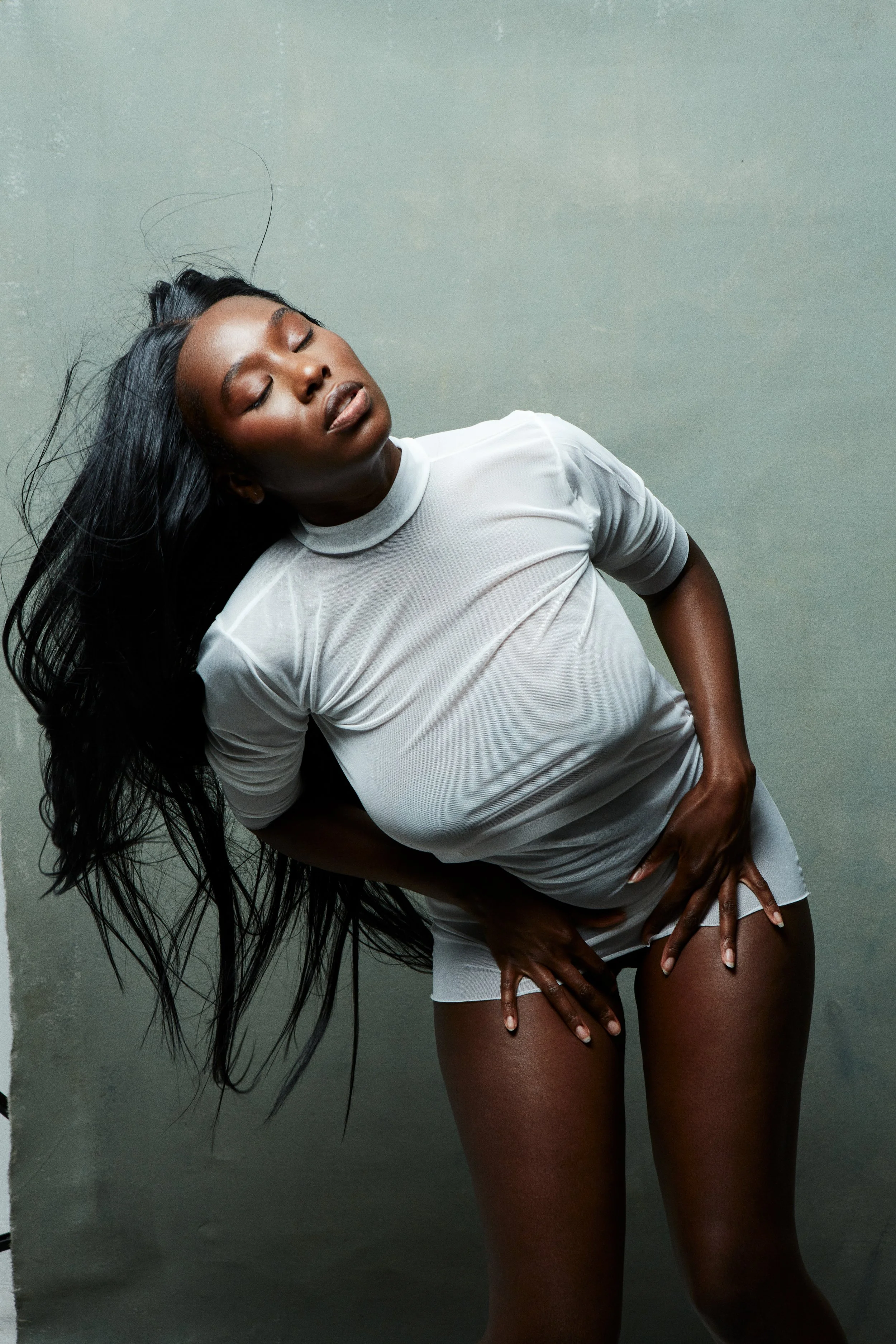
You chose to keep your pregnancy and the first six months of motherhood private. What did protecting that experience give you that sharing it publicly couldn’t?

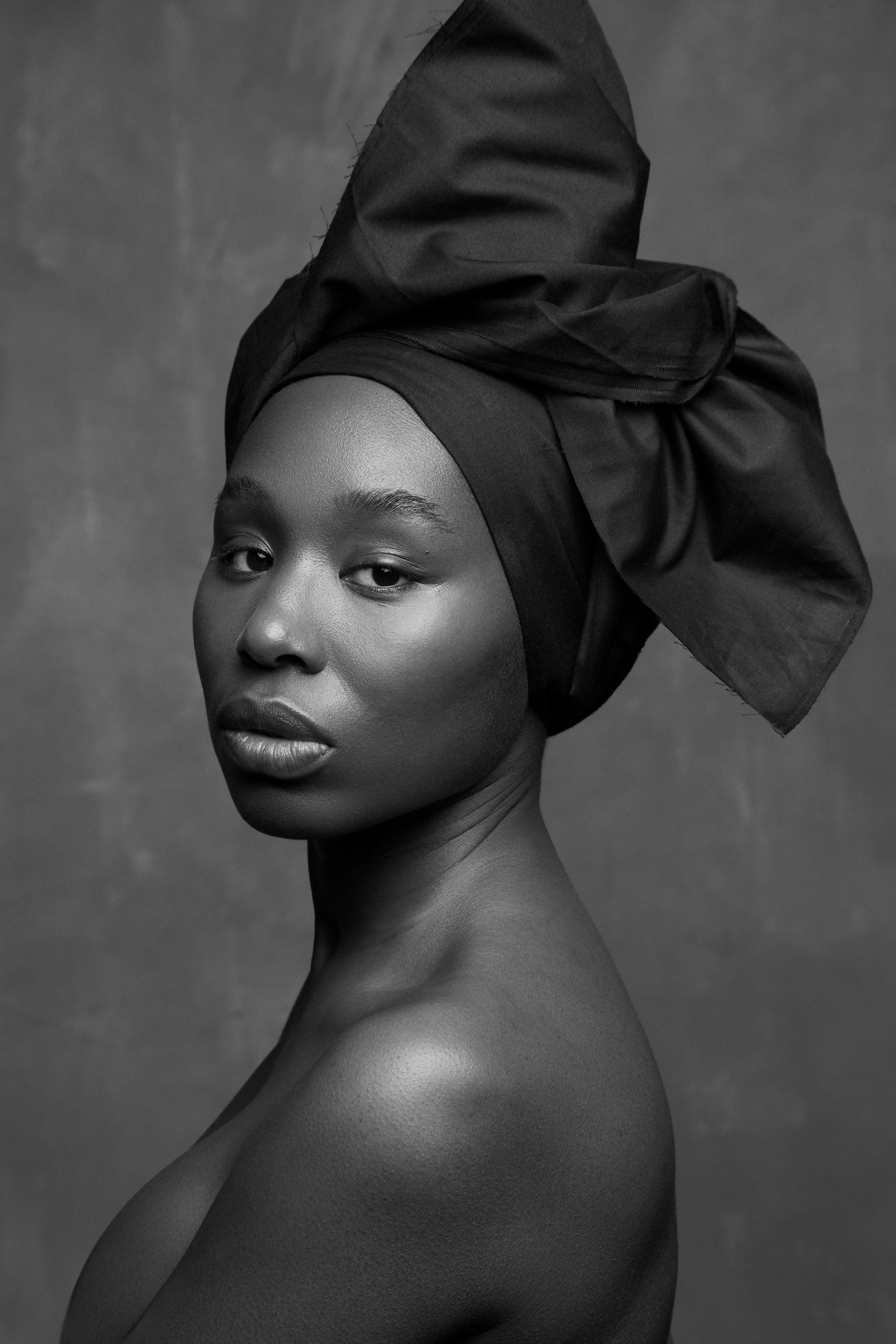
Keeping this chapter private gave me the rare opportunity to become still. For most of my life, I poured so much of myself into people, opportunities and expectations that I rarely stopped to ask whether those investments were truly nourishing me. Motherhood invited me to pause and reassess everything. It revealed who was genuinely present, but more importantly, it revealed where I needed to be more present with myself. There was deep inner work that happened during that time. I had to confront old patterns, heal parts of myself I had been avoiding, and I had to become far more intentional about where I placed my energy. Not from a place of bitterness, but from a place of self-respect. For the first time, I finally had to face the girl in the mirror and become a woman. As cliche as it might sound, becoming a mother caused me to evolve. It required me to move beyond survival mode and become someone grounded in her reality, her values and her purpose. Spiritually, there was a shedding of what no longer aligned, creating space for deeper peace, deeper love and a stronger connection to who I truly am. That stillness became one of the greatest gifts of the journey.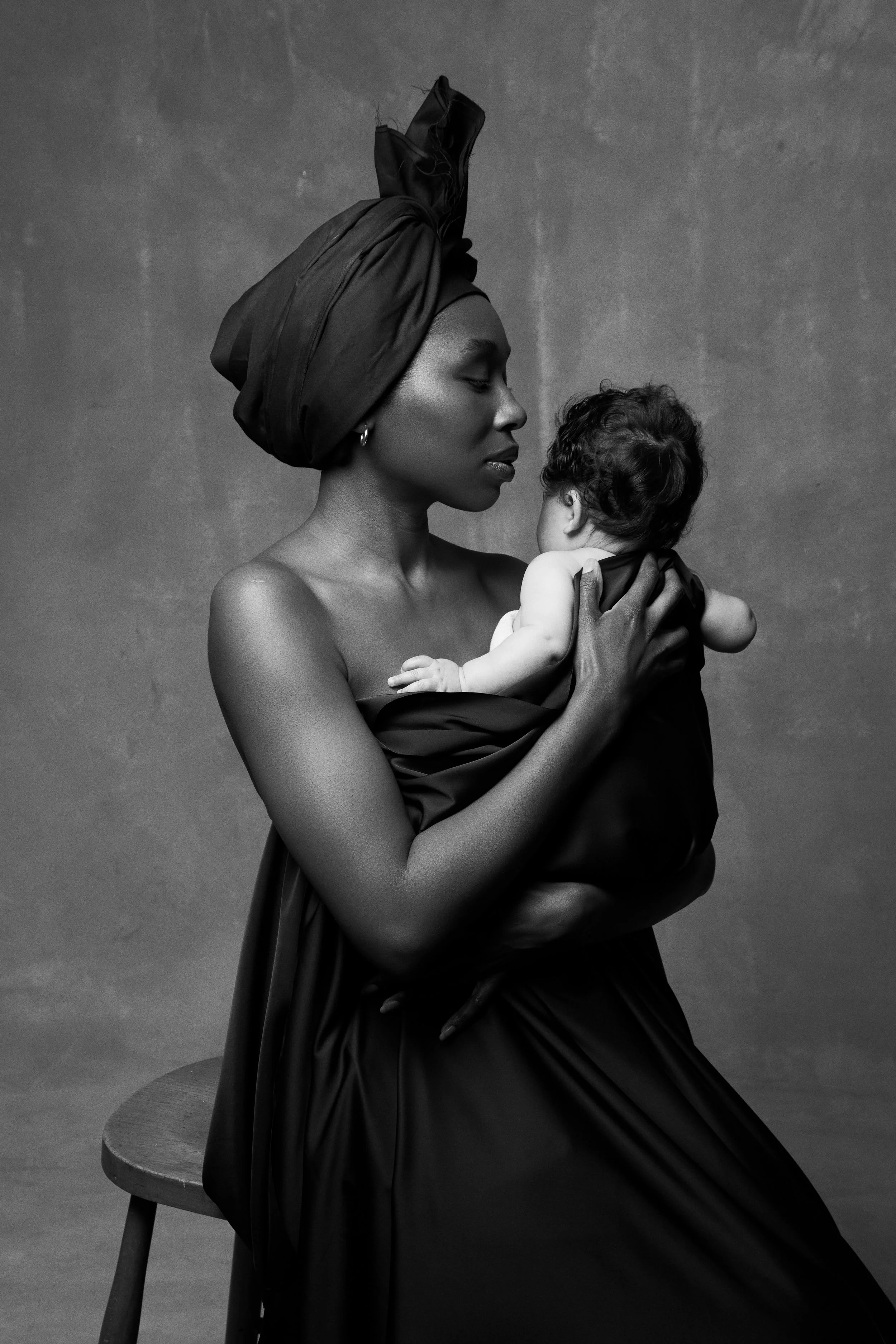
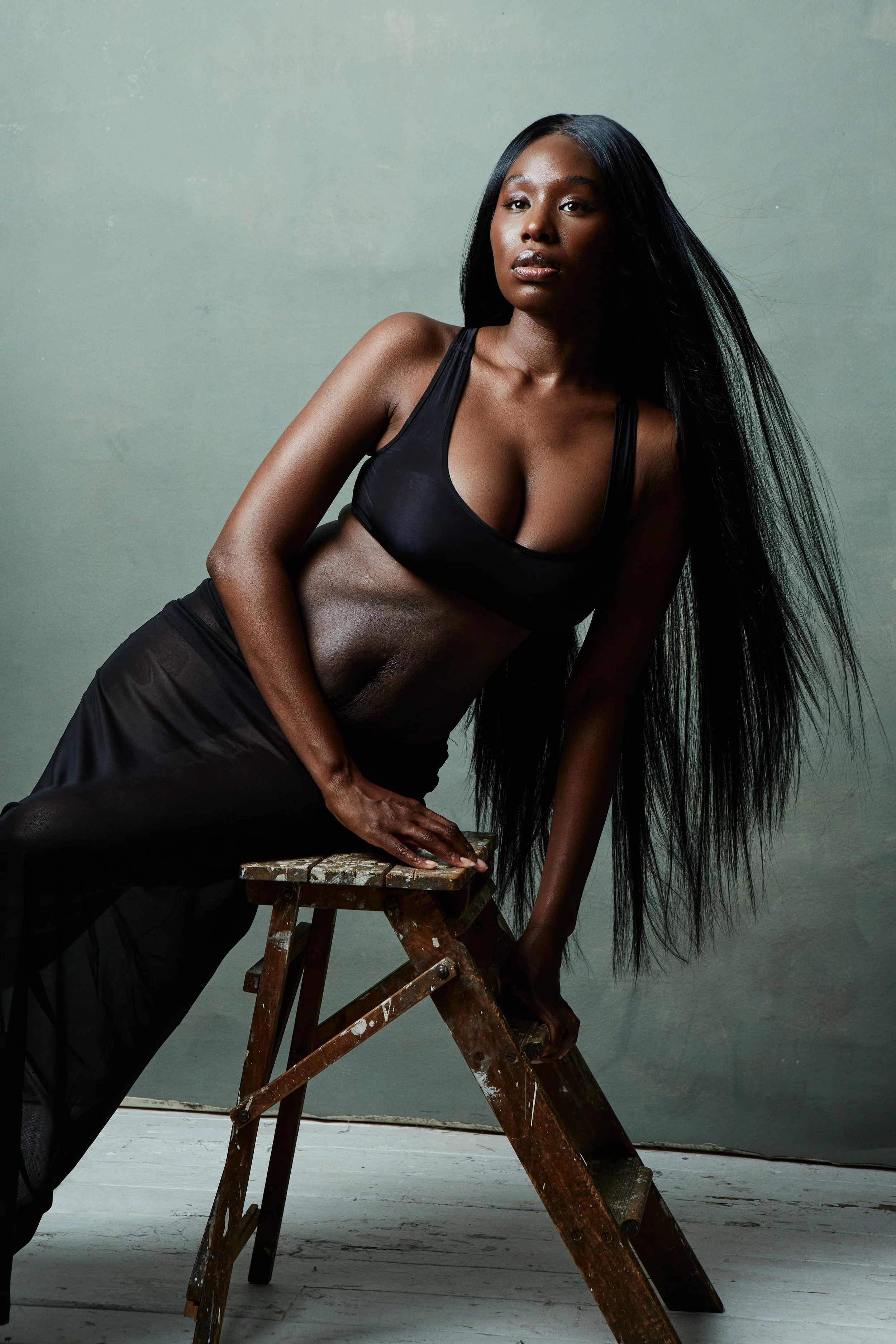
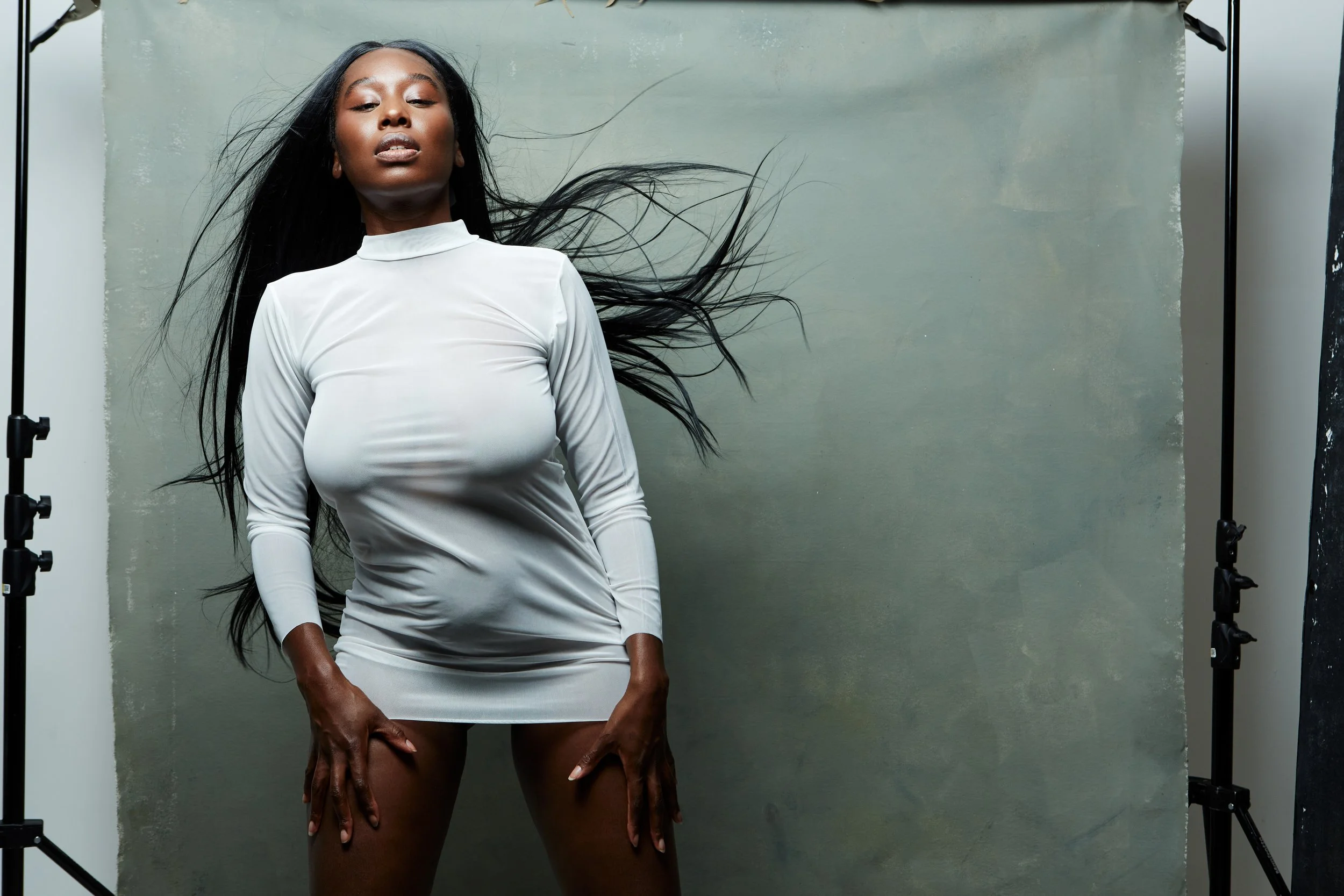
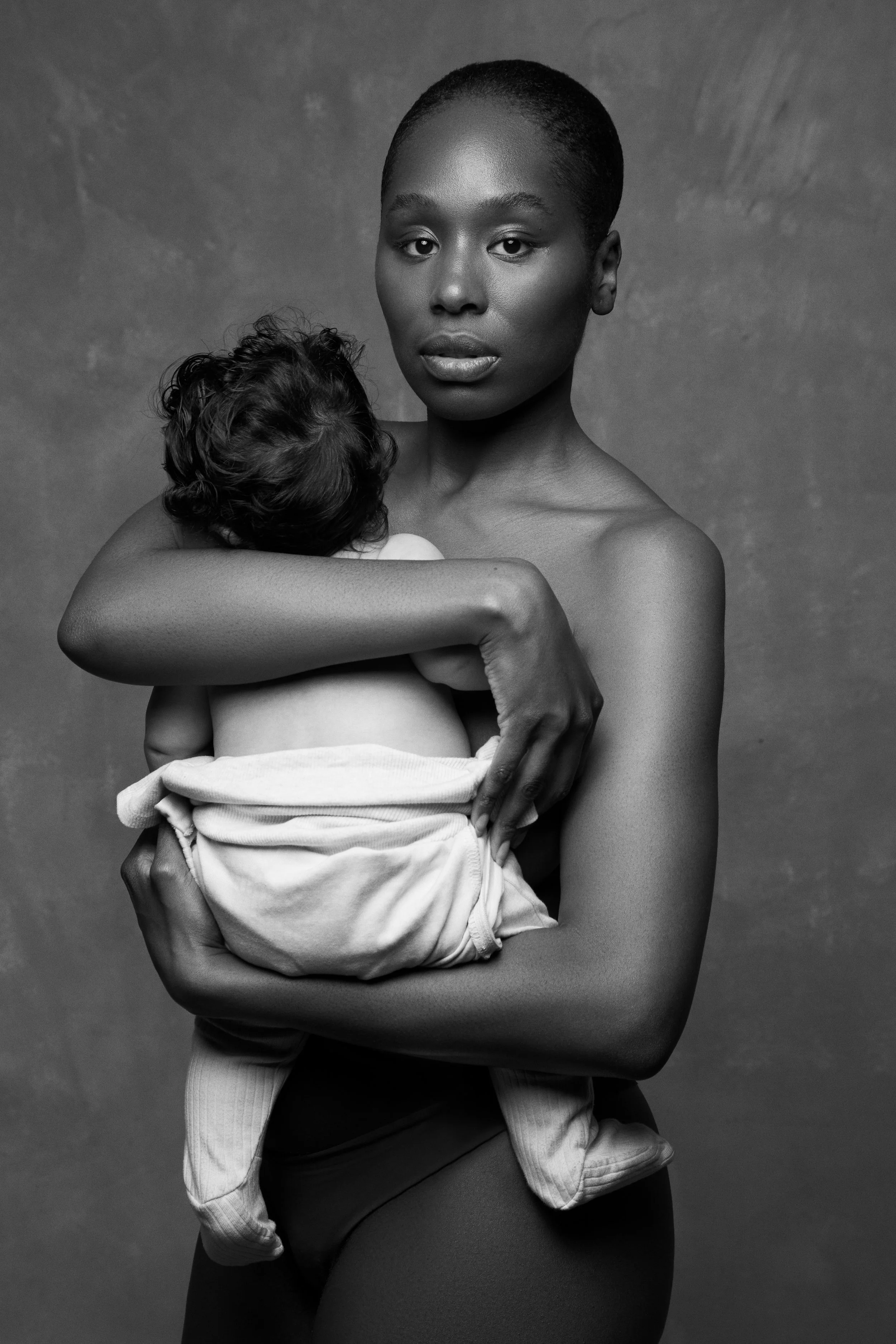
You describe becoming a mother as transformative, but what parts of yourself did motherhood actually bring back to life?


My sense of self-worth. I think, without even realising it, I started taking the most sacred parts of life for granted  and most importantly, I had started taking myself for granted. On the surface, I’ve always presented as this strong Black woman: confident, capable, successful. But underneath that, I was distracted. I was caught up in metrics, performance, validation and the constant pressure to keep proving myself. Somewhere in that, I had neglected myself. I wasn’t truly present. Motherhood forced me to be present in the truest sense of the word.

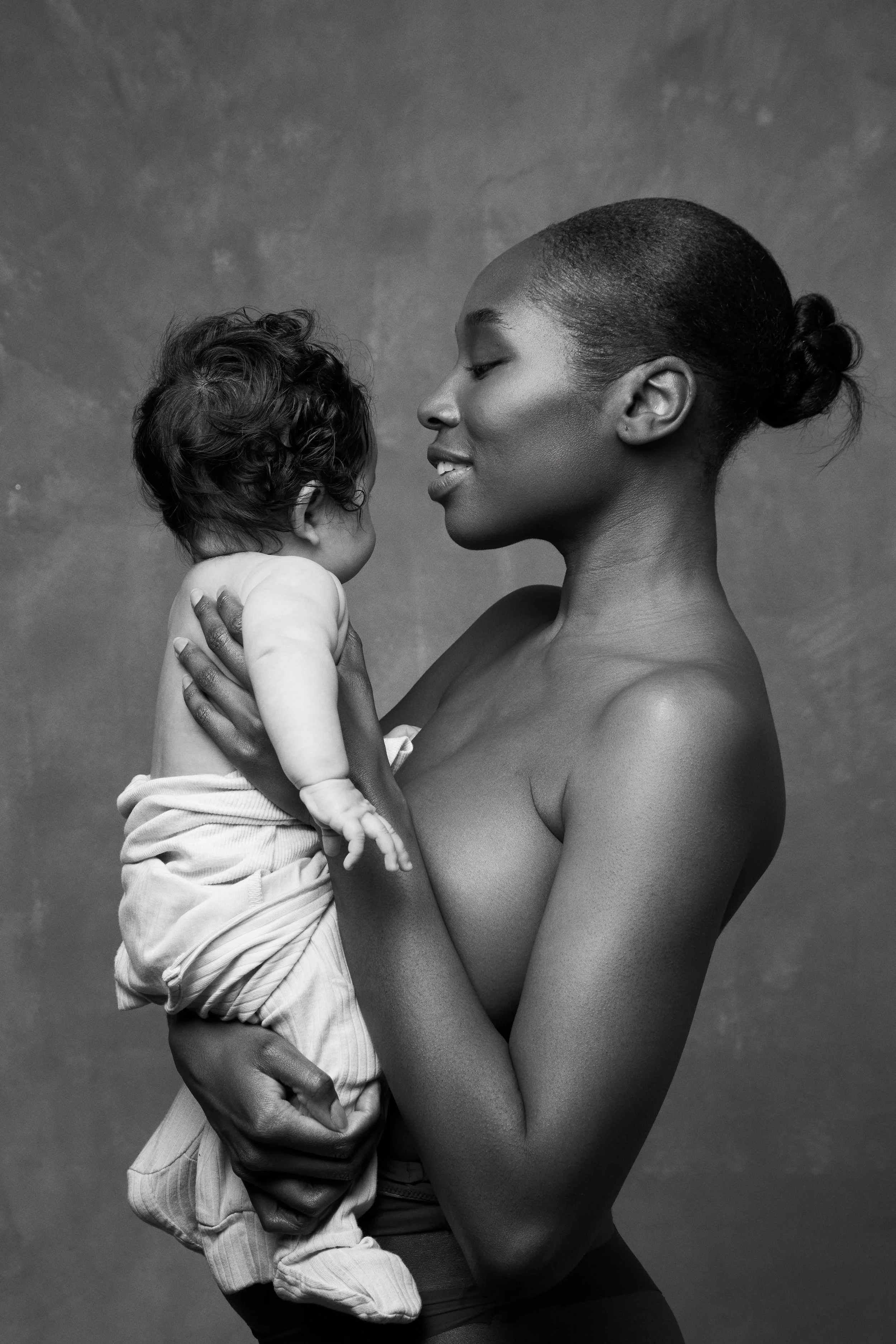
I remember preparing myself to go straight back to work, already thinking about money, momentum and how quickly I could return to everything. Then one day, I was looking through my phone and Sky’s newborn photos came up as a memory. It stopped me in my tracks. I realised how quickly she was growing, and something in me shifted. I thought, “I don’t want to miss even a second of this for cash, for likes, or for fleeting gratification.”

Sky is forever. Everything else will come and go, but I will never get these moments back.

That realisation stayed with me. Since then, I’ve made a vow to cherish every second  not perfectly, because life is still life, but intentionally.

Motherhood brought me back to what actually matters. It reminded me that my worth was never meant to be measured by how visible, productive or successful I appeared to be. It brought me back to myself.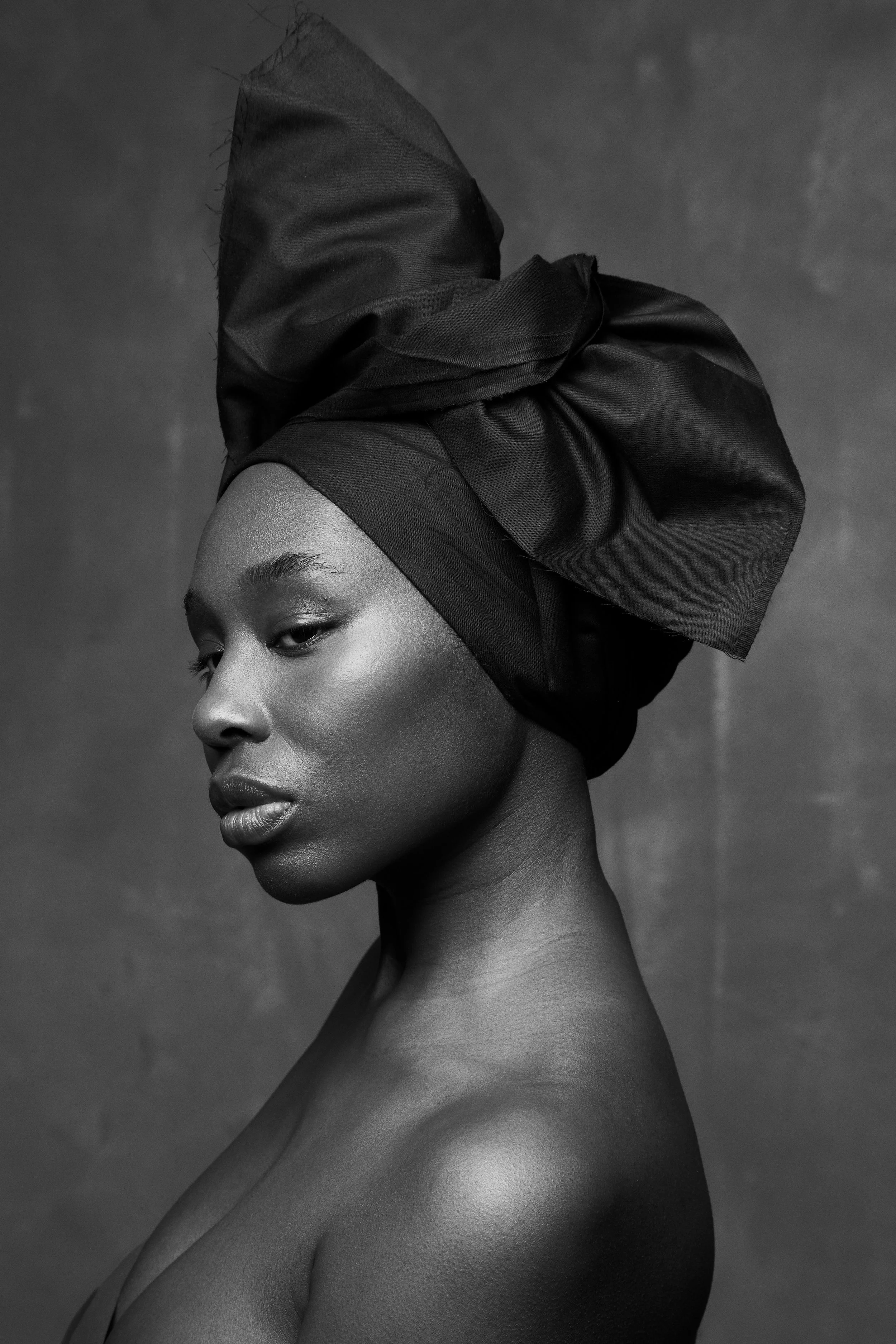
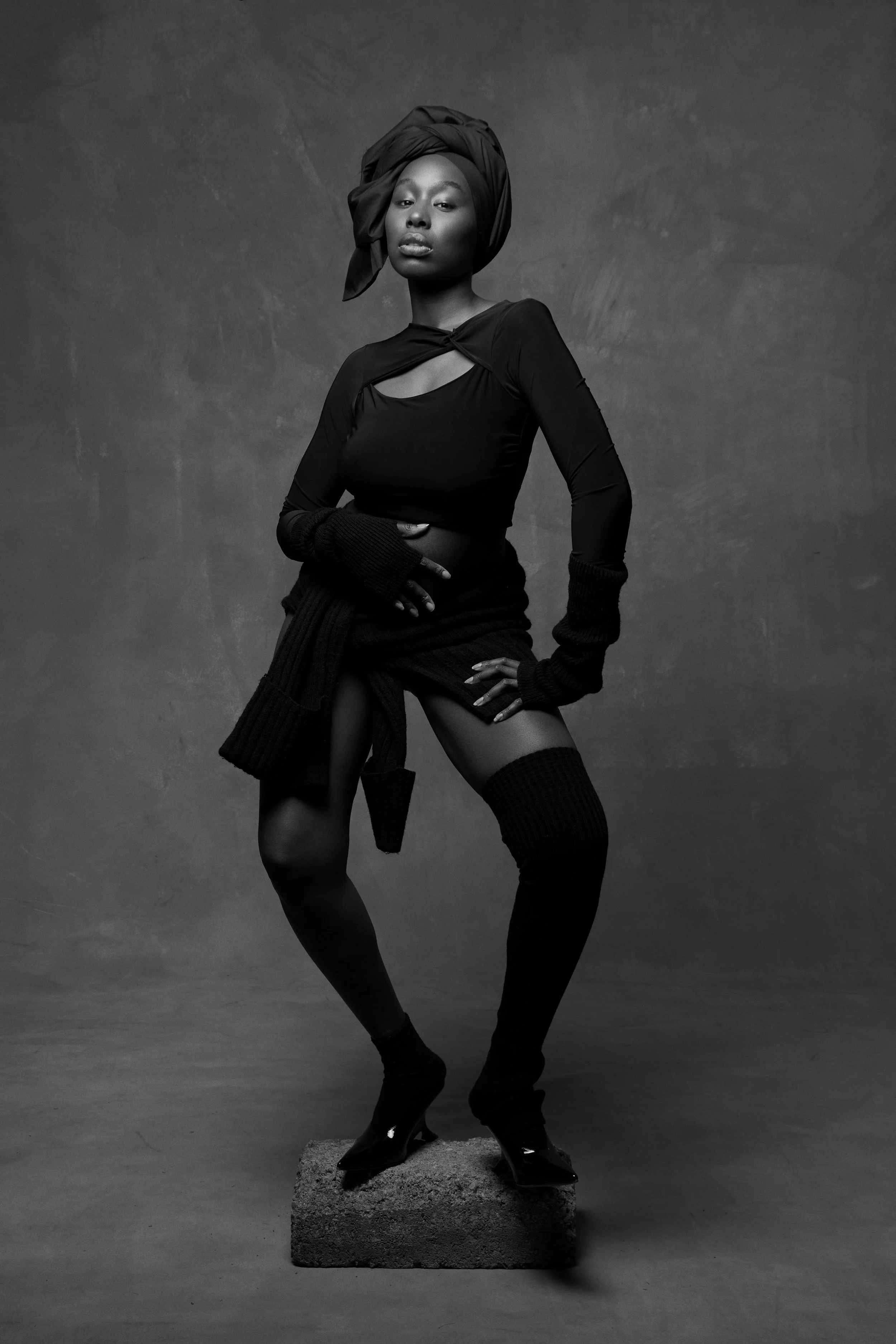
In an industry that often rewards constant visibility, what did stepping away teach you about your relationship with success, ambition and self-worth?

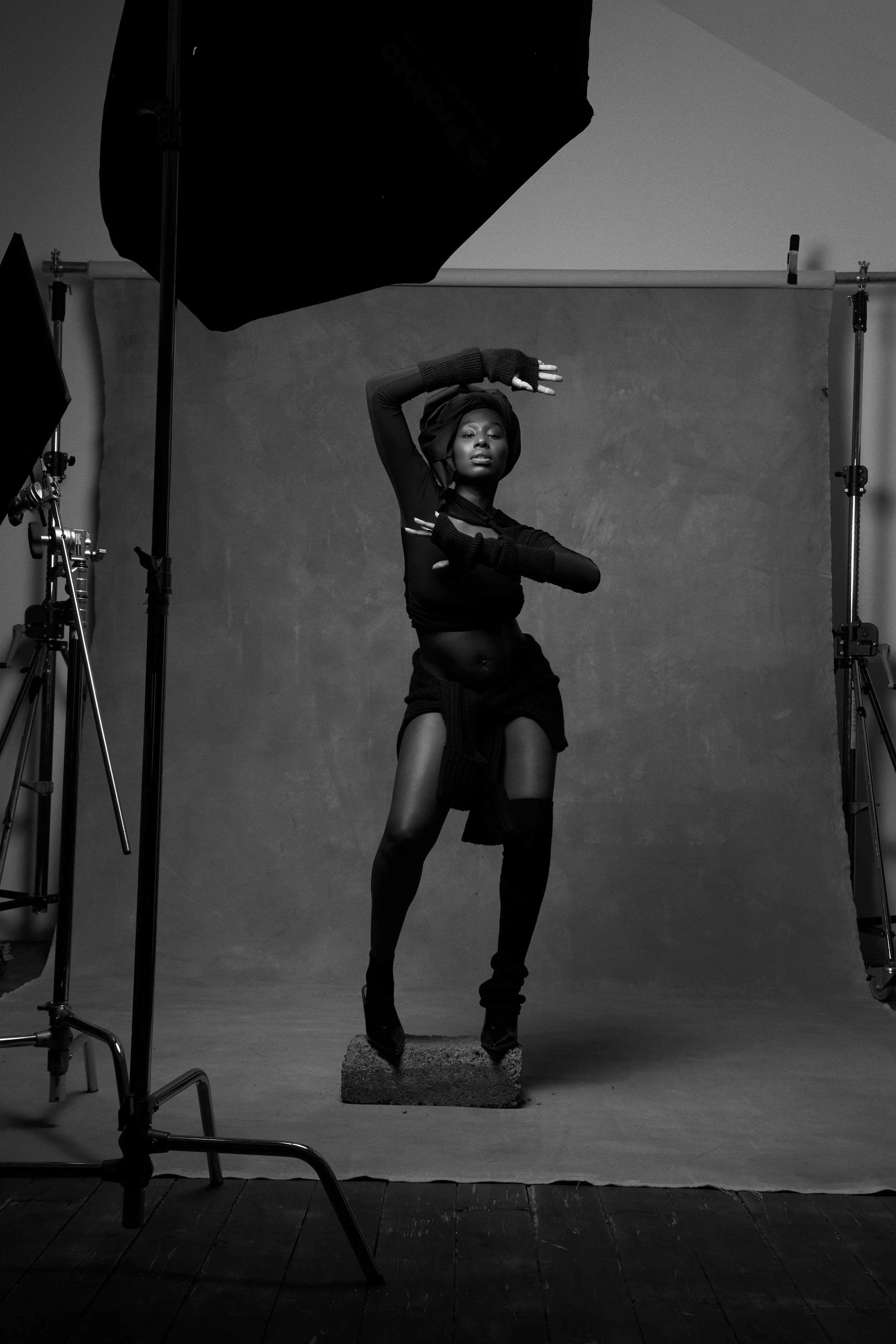
It was really challenging in the beginning. I found it hard to separate my identity as an artist from my identity as a mother. I carried a lot of fear, fuelled by all the industry sayings I'd heard for years: "You'll have to choose between a career and a baby," "Use your head, be smart," "You'll lose momentum," "Be prepared for five years out."
I was terrified. I genuinely thought that once she arrived, all the hard work I'd put in over the last decade would go down the drain. Especially after building a platform and community on TikTok and social media, I thought it was going to be over. But eventually I realised I had a choice: either accept those narratives or retrain my thinking. I had to stop letting fear make decisions for me, grow a pair, and trust myself. Ultimately, the outcome was always going to be shaped by what I believed was possible. There are so many incredible women who had already shown me it could be done. Victoria Monét, Muni Long, Lauryn Hill, and Adele, to name a few. I chose to put my faith in that instead. And rather than seeing motherhood as the end of an era, I decided it was going to be the beginning of my best one yet.
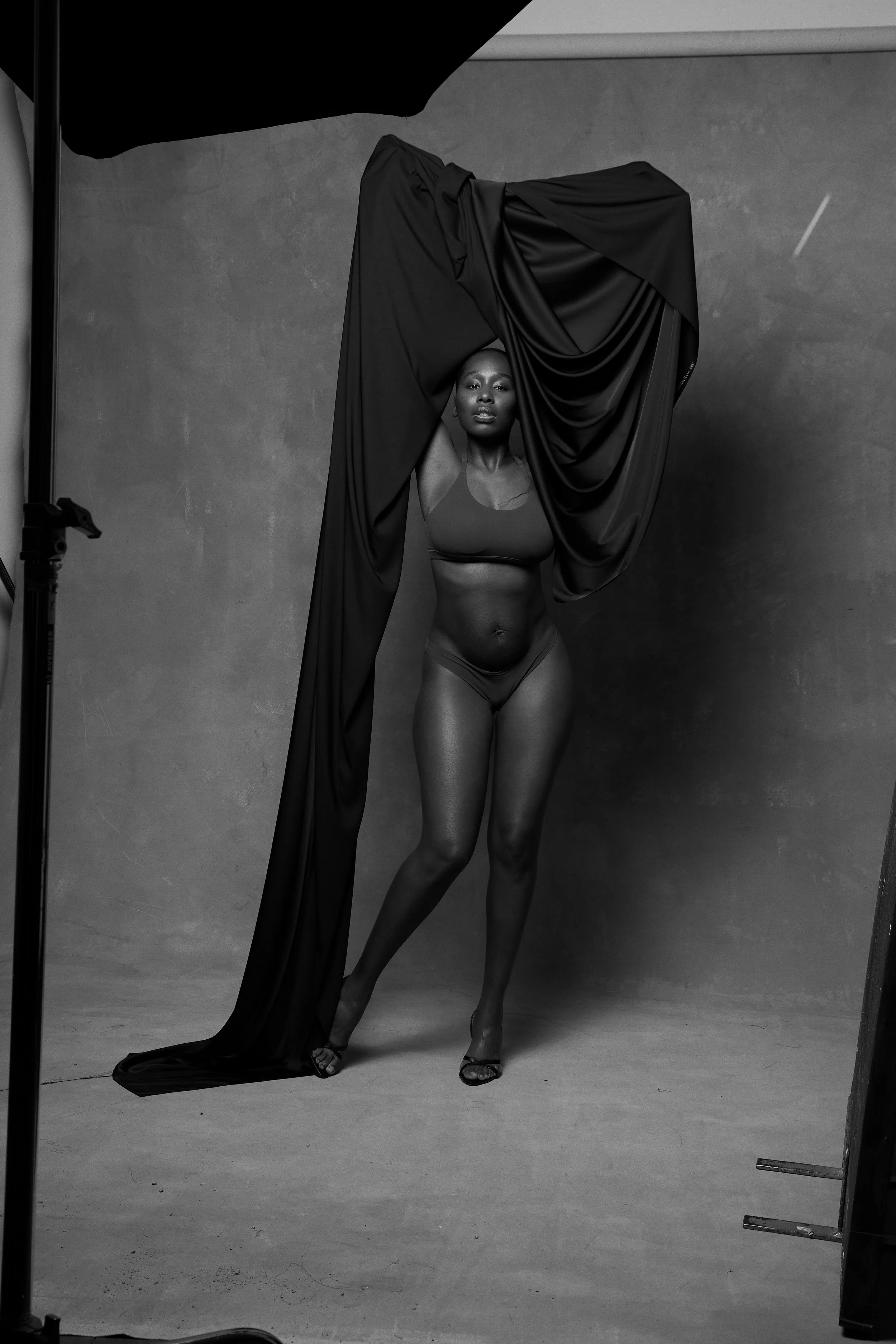
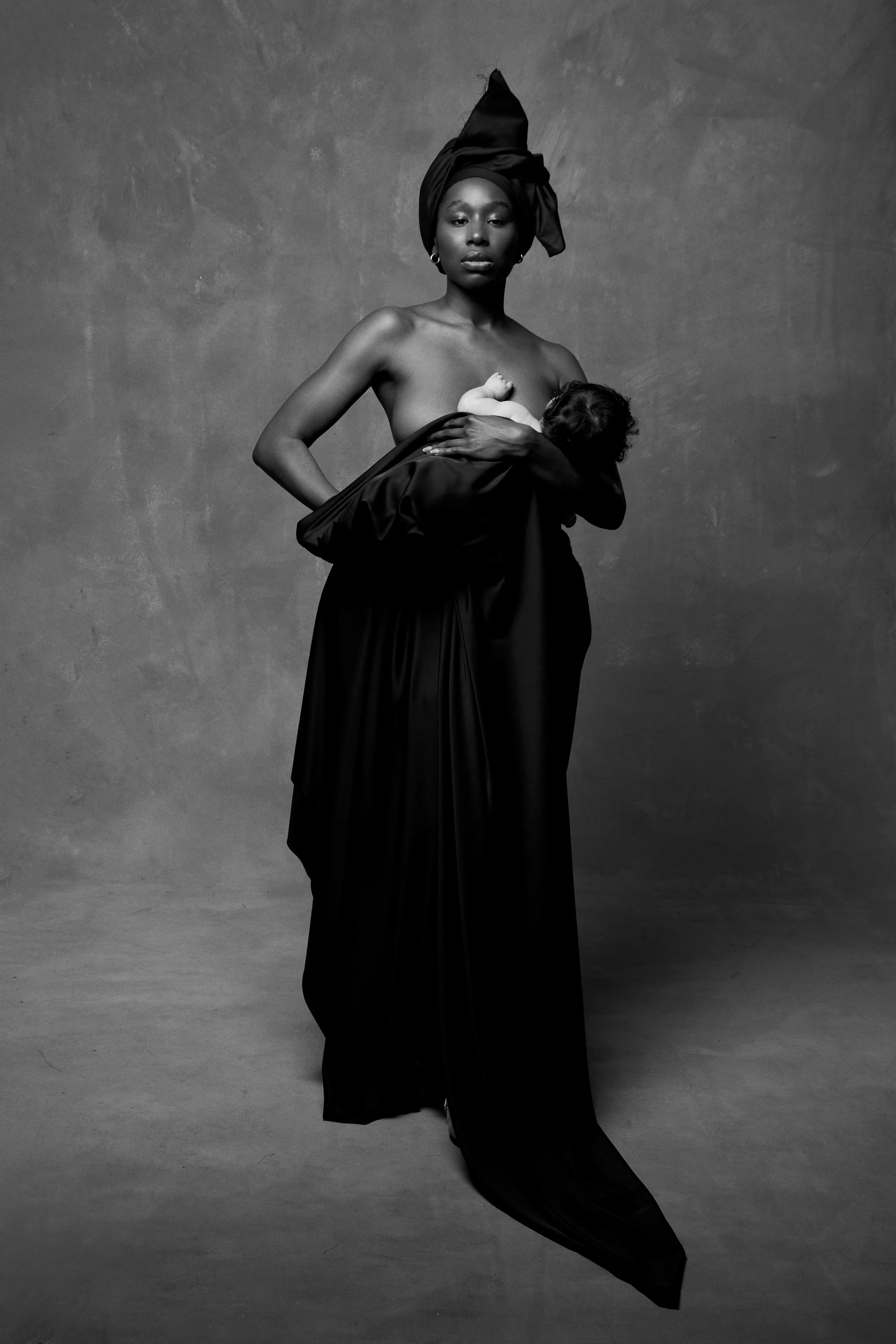
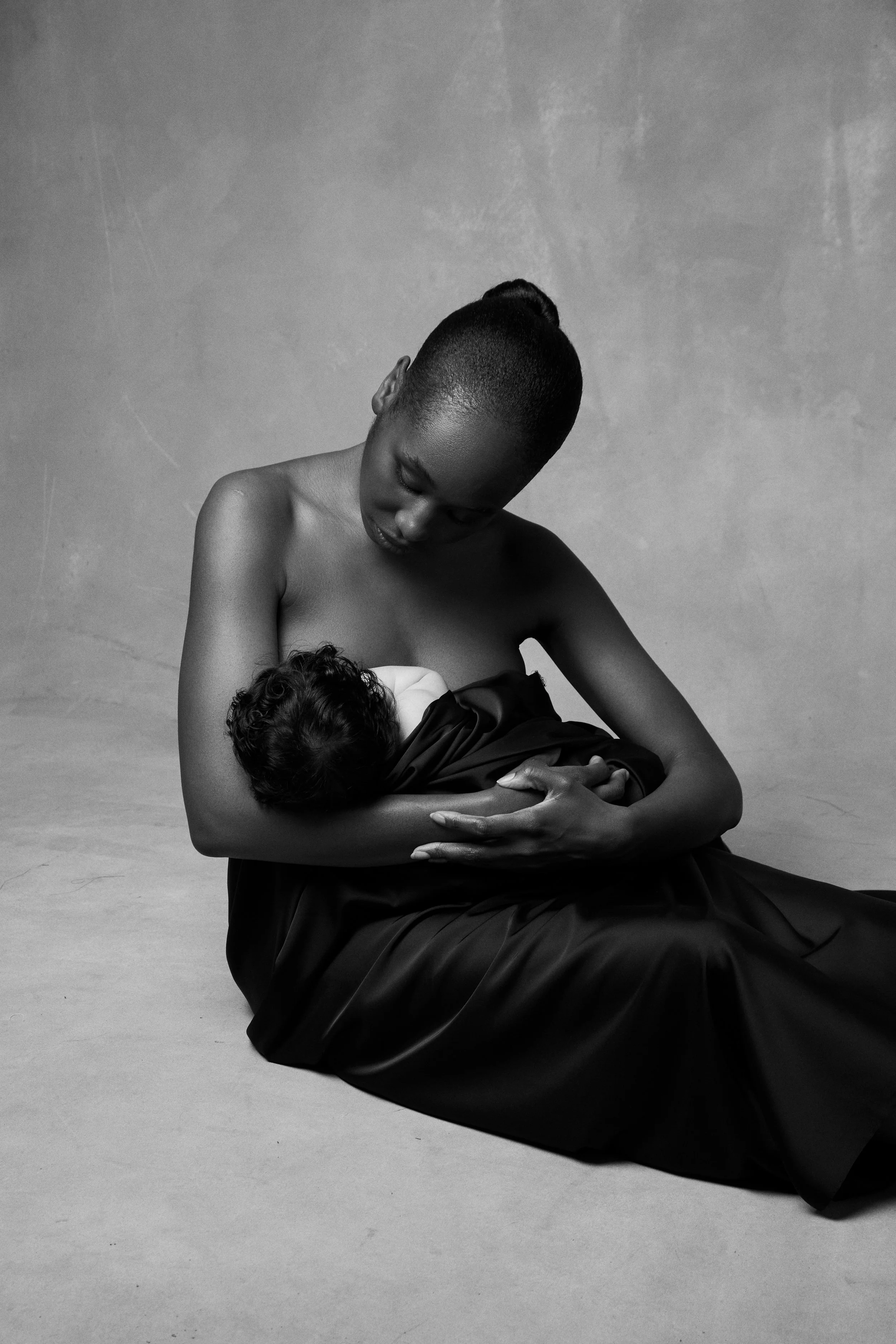
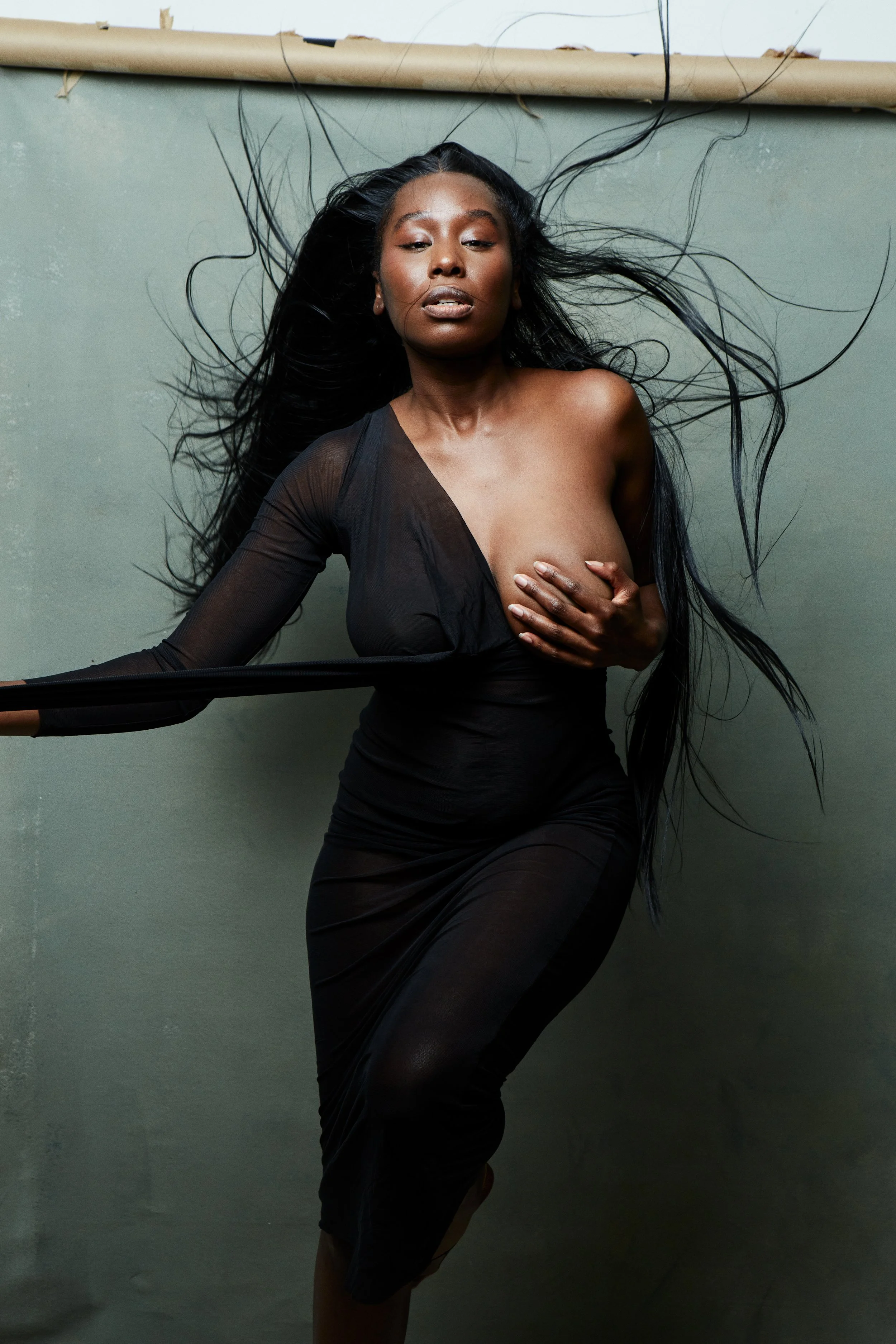
You've spoken about finding your village and building community on new soil. What does support look like to you now, and how has that changed from the woman you were before Sky arrived?


Support looks a lot quieter to me now, but it means so much more.

It looks like my partner, my biological family, and a very small handful of chosen family showing up for me in real ways. During pregnancy, I saw very clearly who was really there for me not in theory, not when it was convenient, but during the hardest and most vulnerable moments. It was a small, hand-picked few.


Because I was so private with my pregnancy, and still releasing music, creating content and trying to show up as “normal,” I noticed that a lot of people didn’t really reach out or ask how I was. That was painful at first. It felt damning, because I realised I hadn’t shared my news with many people simply because they hadn’t cared enough to ask how I was doing. But in a strange way, that also gave me freedom. It was bittersweet, but it clarified everything.

Now, support isn’t performative to me. It isn’t about who comments publicly or who says the right thing after the fact. It’s the friends who travelled from the other side of London to bring me sushi. It’s pre-cooked frozen meals and fresh bread arriving unannounced whilst in newborn trenches. It’s my partner doing the chores, taking Sky out of my arms so I can write an idea in the home studio, perform a gig, shoot content or simply have a shower. It’s people showing up without me having to explain, beg or ask.

Before Sky, I think I mistook access for intimacy. I thought being surrounded by people meant I was supported. Now I understand that real support is consistency, tenderness and action. It is the people who make your life feel lighter when you are carrying the most.
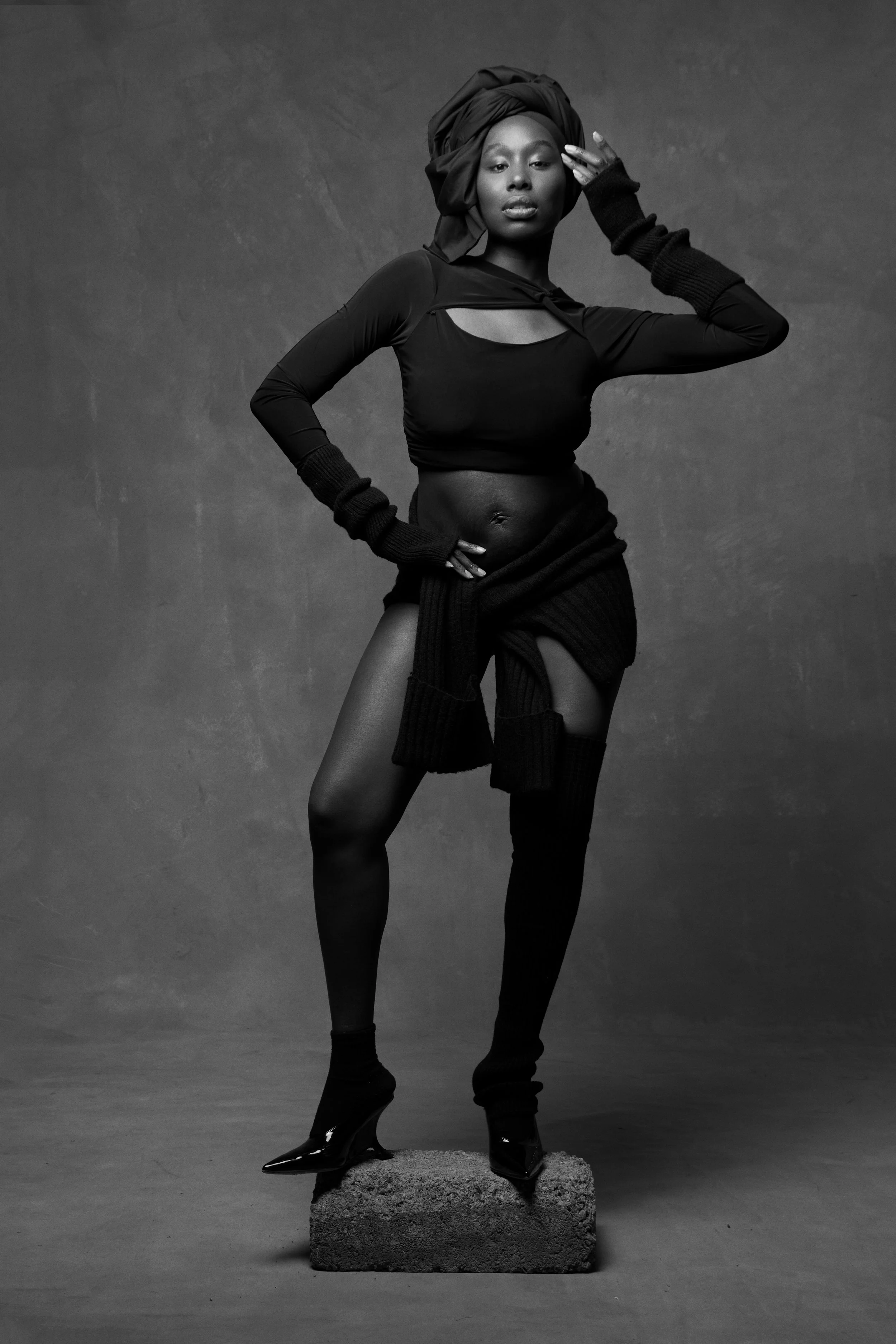
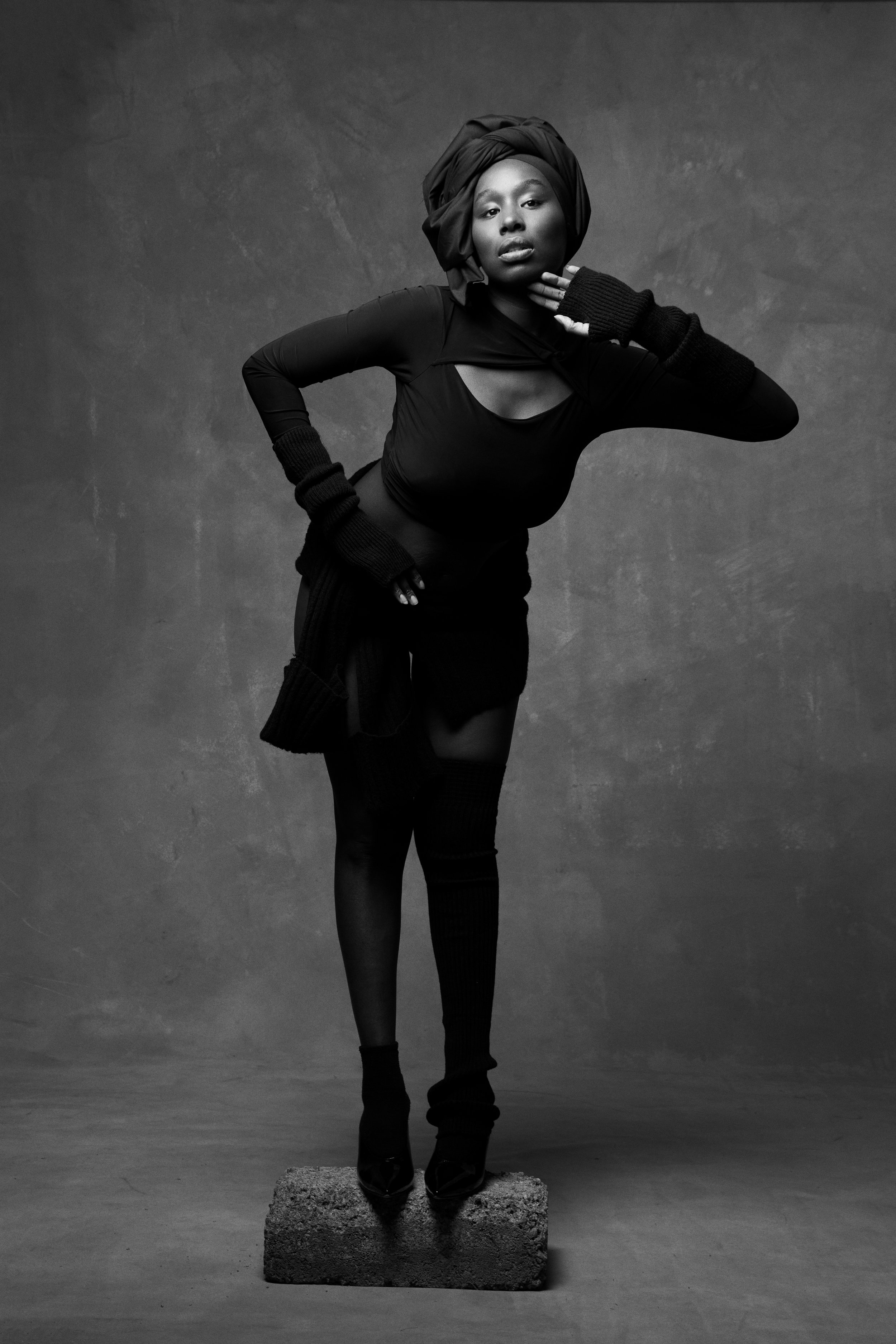
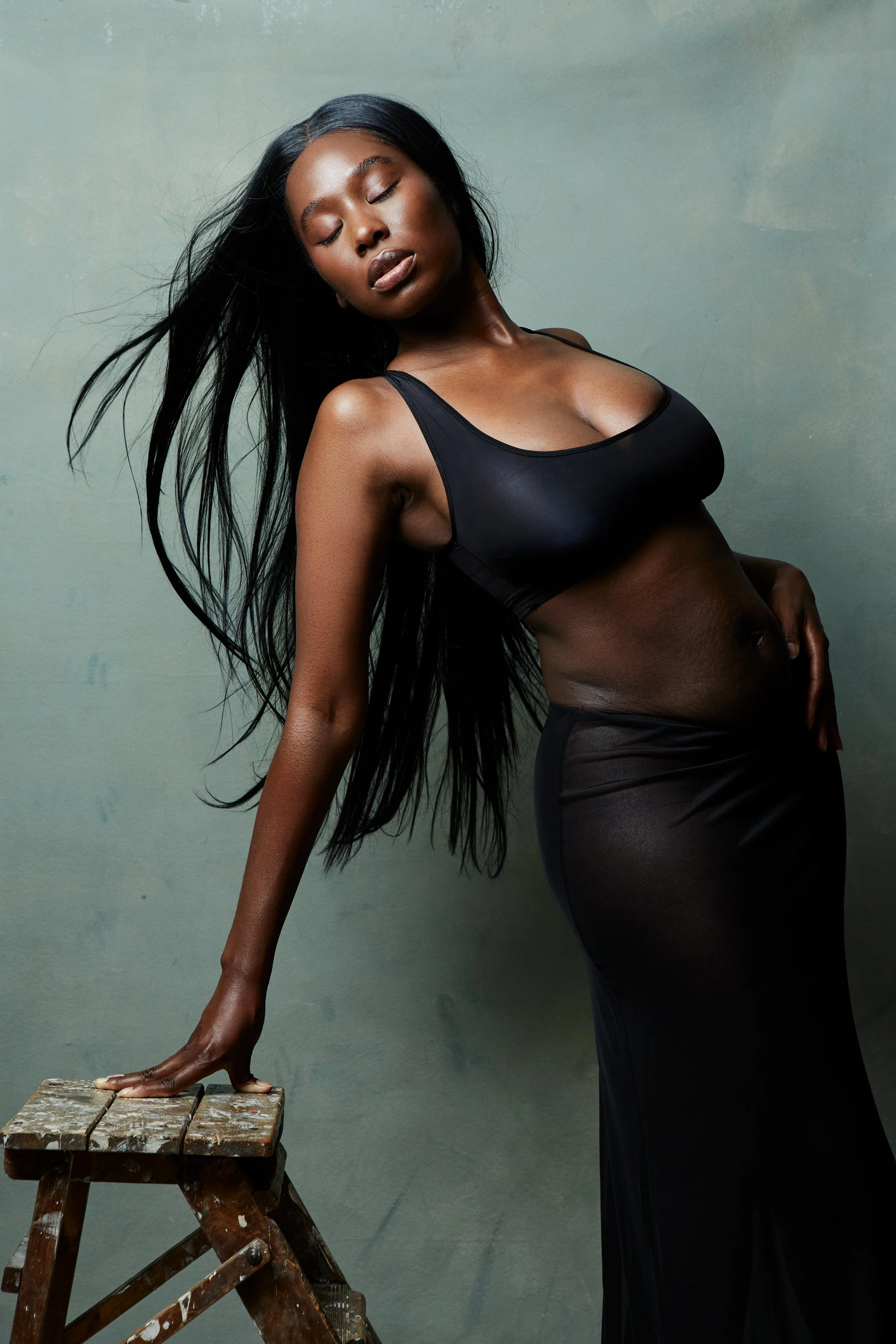
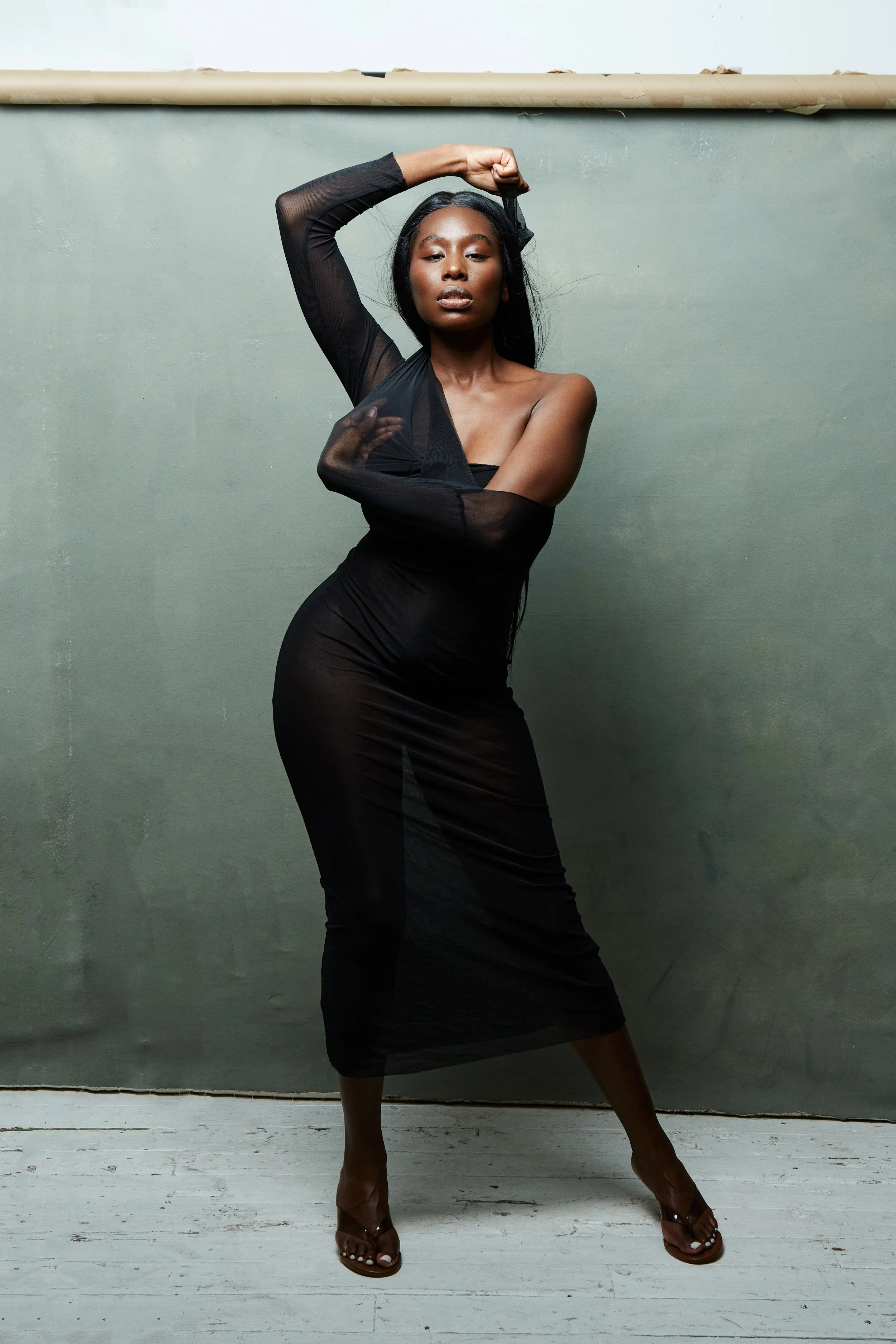
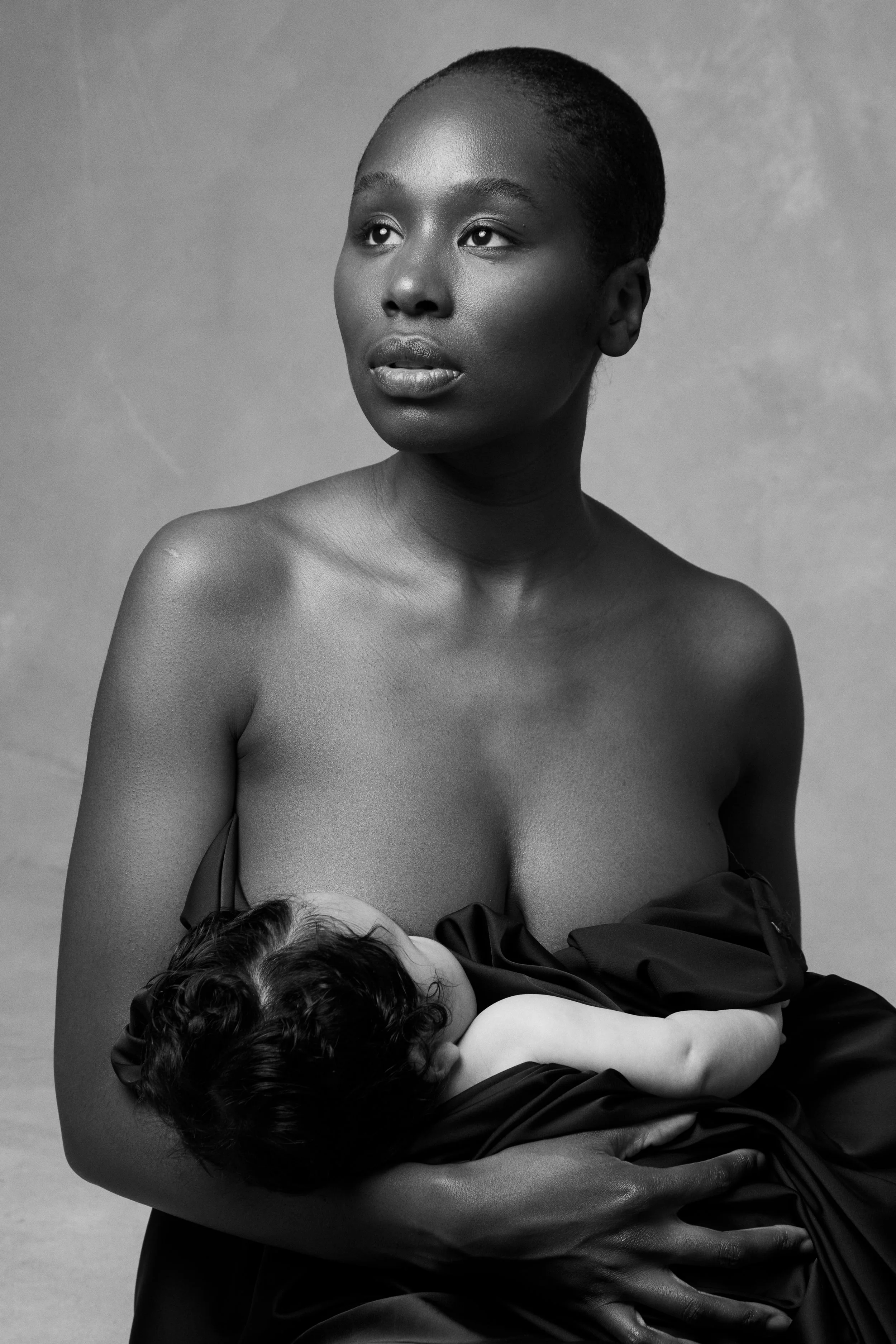
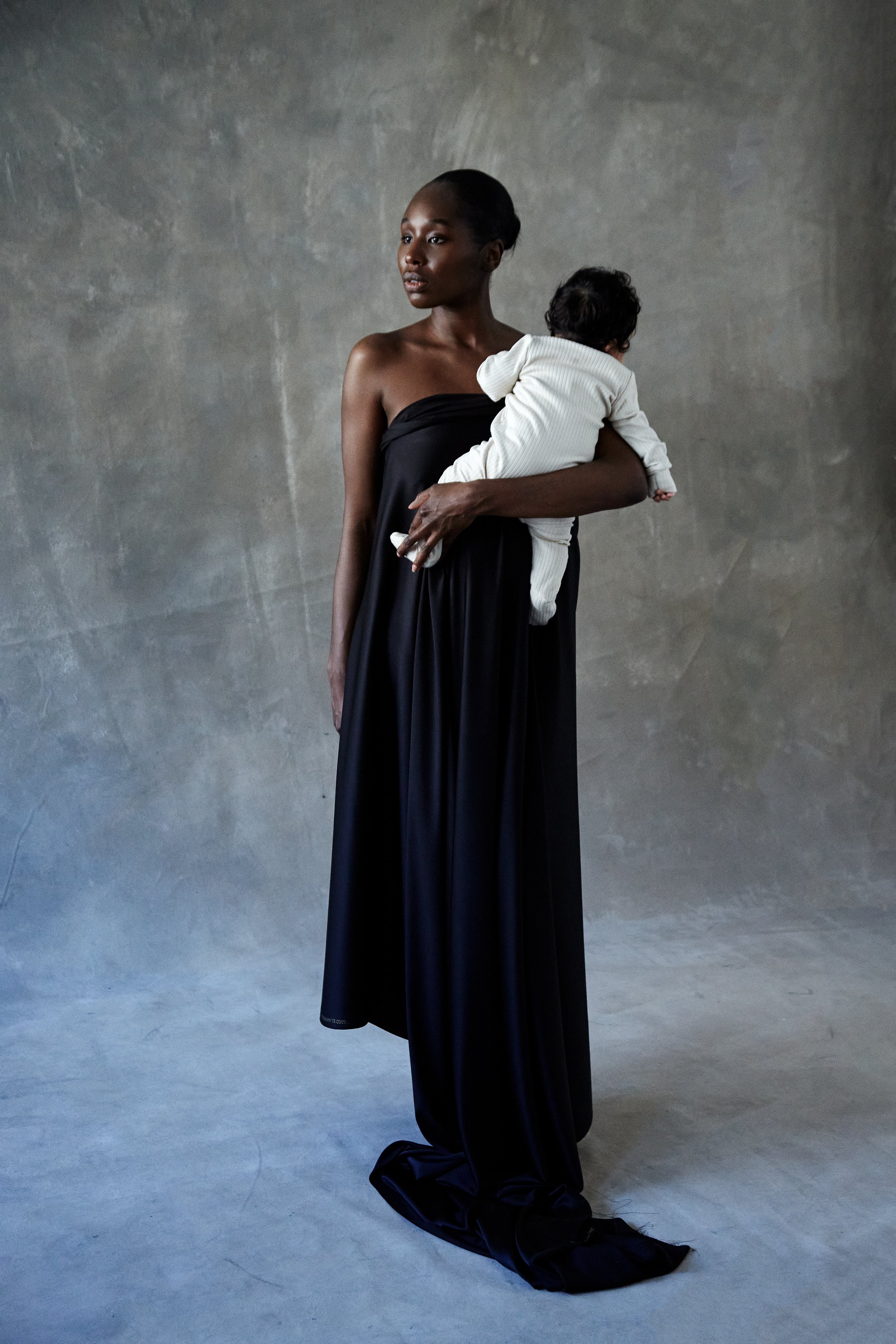
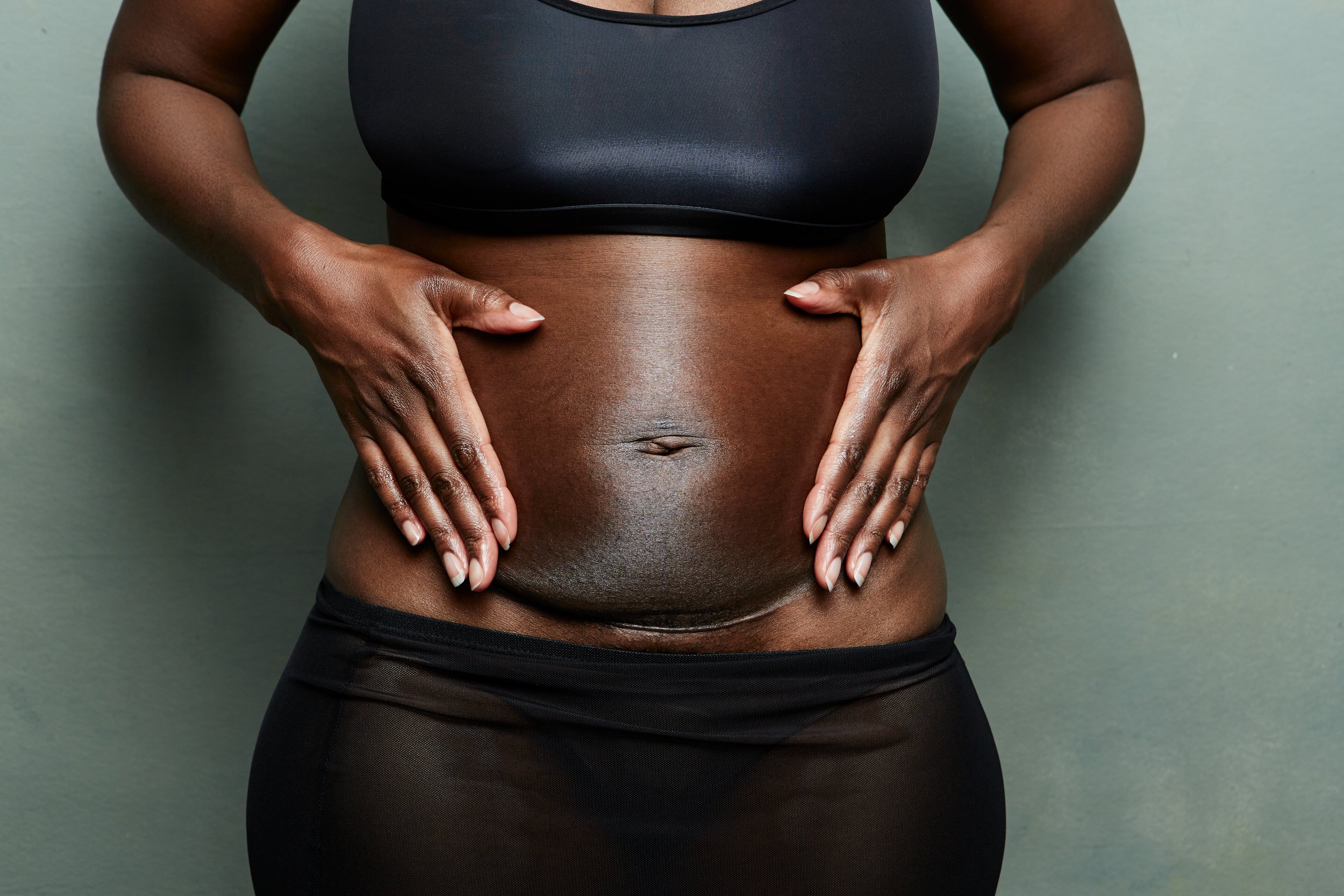
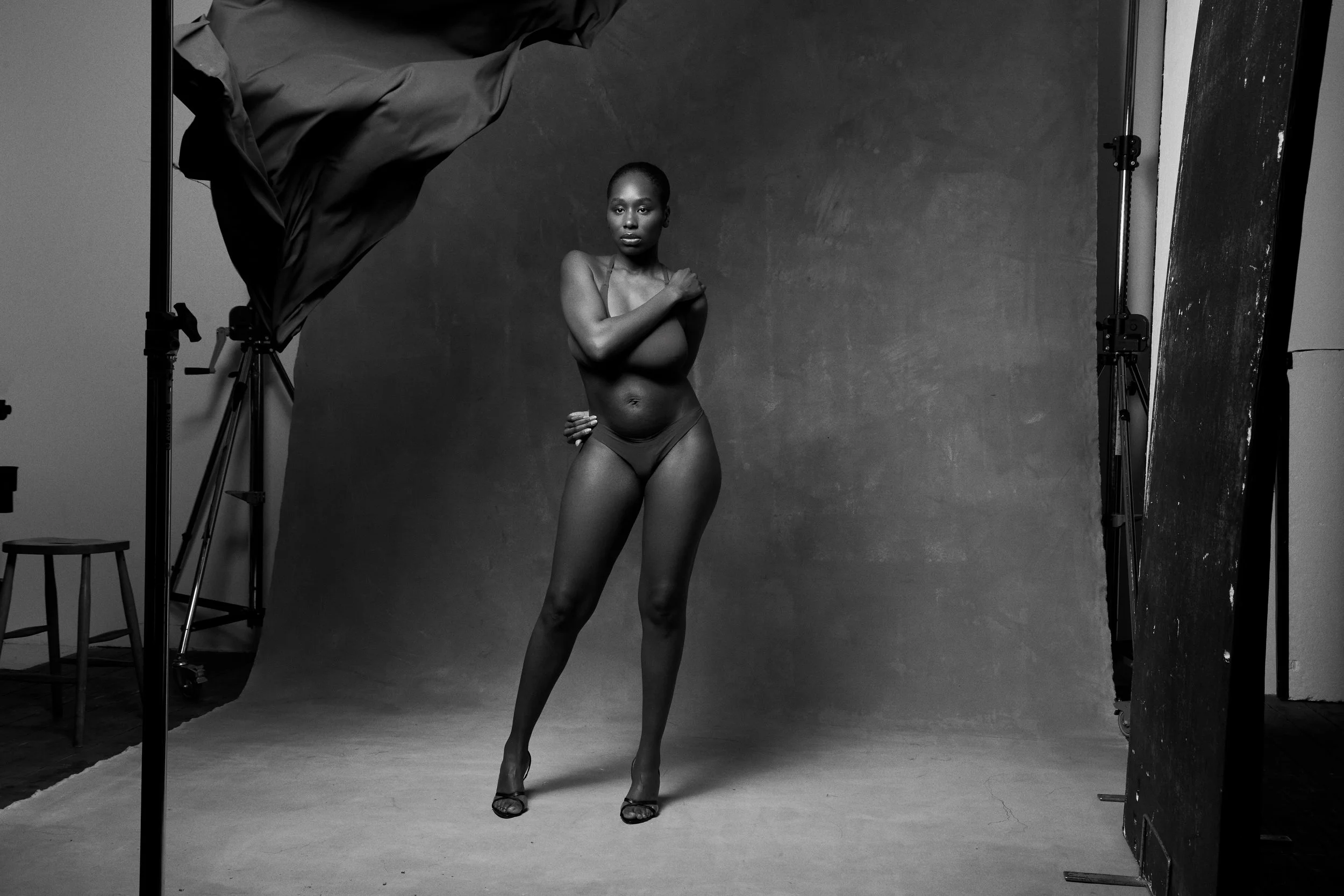
There’s a particular vulnerability in carrying a scar that tells a story before you’ve decided how to tell it yourself. What has your C-section scar taught you about acceptance, womanhood and the idea of permanence


I think there is a toxic “snapback” culture that had me in a chokehold at the beginning of postpartum.

I found out I was pregnant whilst on the road during a UK arena tour, which, as you can imagine, completely rocked my world. Initially I lost a lot of weight due to a severe case of Hyperemesis Gravidarum and I had gone almost my entire pregnancy without stretch marks, and then boom everything changed so quickly.  II spent three days in the birth centre, but due to a lack of progression, I had no other choice but to have an emergency C-section.That really did a number on me. I went from having what I saw as this perfect, untouched neat bump to suddenly looking at pigmentation, discoloration, fresh streaky stretch marks, an open wound and a catheter I had to wear for a month after Sky was born. It was a massive shock to my system. I didn’t have time to mourn my old body. I had to roll with the punches and acquaint myself with a new body that at first didn’t feel like mine.

I won’t pretend there wasn’t  resentment in the beginning. I felt like my body had changed before I had the chance to emotionally catch up with it. But that resentment slowly turned into celebration when I looked into my daughter’s eyes. Suddenly, it was all worth it. The scar, the marks, the healing, the discomfort  they were all part of the road that brought me to her.

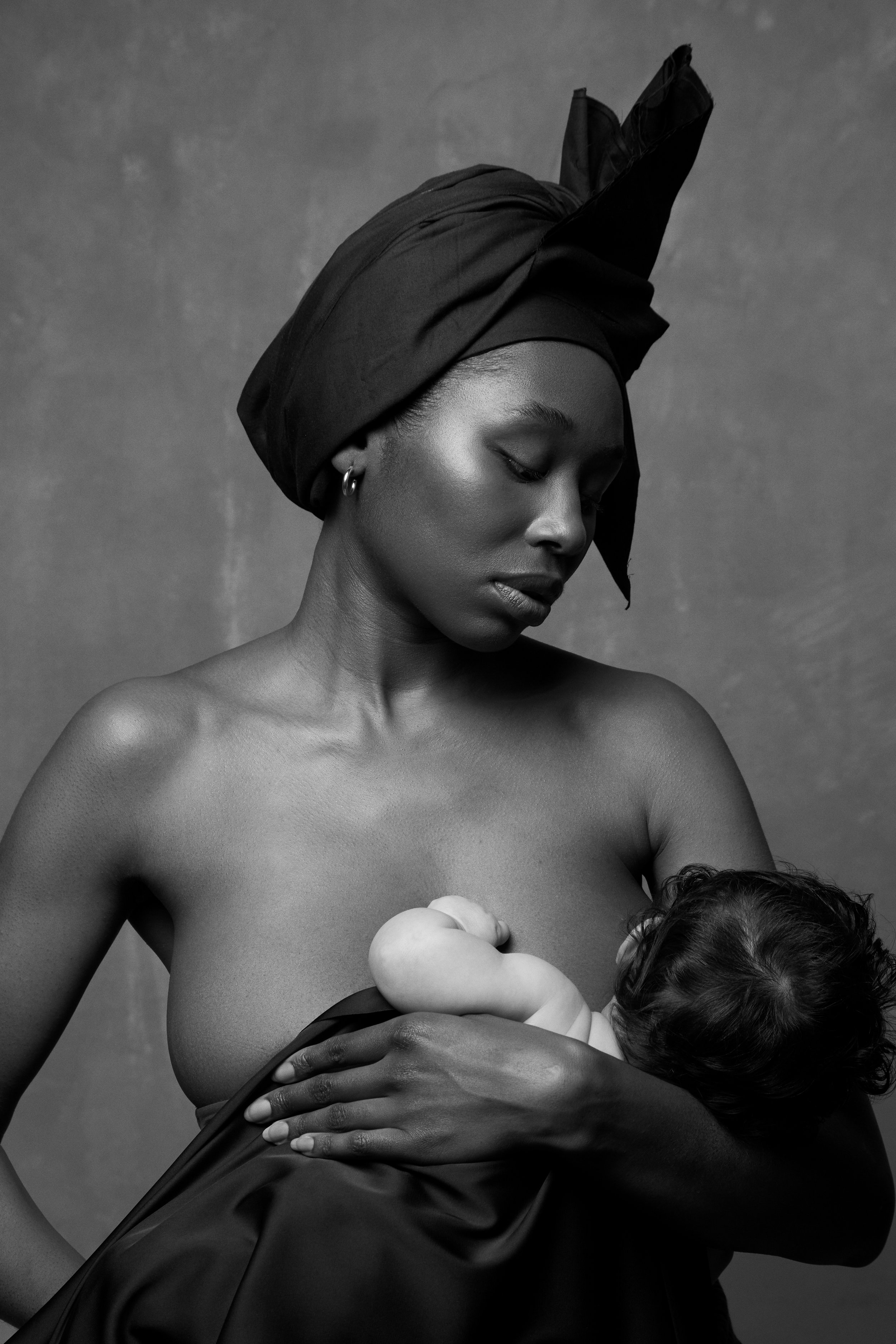
As I watched my body slowly change again through breastfeeding, I started to feel awe instead of criticism. Although I do struggle with it now  and again. I remember my body had nurtured a soul. It has carried a human life, brought her into the world, fed her, and is still healing at the same time. That changed the way I saw permanence.
My scar is permanent, yes, but so is the love it represents. So is the strength it took to survive that moment. So is the woman I became on the other side of it. Now, when I look at my body, I try to see honour before I see imperfection. Because really what an honour it is.
Listening to Inhibition, it's clear this chapter has shaped your artistry. How did becoming a mother change the way you create - not just what you write about, but why you make music in the first place?


To be honest, at first I had stage fright. Not just the kind you get before performing, but a deeper creative fear. I thought this next chapter had to be life-changing, profound and prolific  like motherhood was supposed to unlock some instant, elevated version of my artistry. But truthfully, I had writer’s block for most of my pregnancy. The inspiration only really started to return towards the end.

What changed was that I stopped giving so much power to what the industry wanted from me, or what people expected me to become. I started asking different questions. I tapped into my inner child and asked, “Would she be proud of what I’m creating?” And then, even more importantly, “Would Sky be proud to follow this example?”
That changed everything.

During maternity leave, I started watching old Top of the Pops episodes on YouTube, mapping songs to different stages of my life and remembering where I was when I first heard them. I wasn’t studying music from a strategic place anymore. I was remembering how music made me feel before it became a career, before the pressure, before the metrics, before the noise. I wanted to make music from that place again  untarnished, pure and simple.

I remember putting on one of my favourite Mary Mary CDs and imagining myself back in my old house, singing along to every track with my sister, not pausing once. That feeling unlocked something in me. The inspiration came back in small pieces, little fragments, and eventually those fragments led me to Inhibition.
The song came to me in just a few takes, which is how I used to write music in the beginning. Instinctively. Freely. Without overthinking it.

Motherhood didn’t just change what I wanted to say. It reminded me why I started singing in the first place.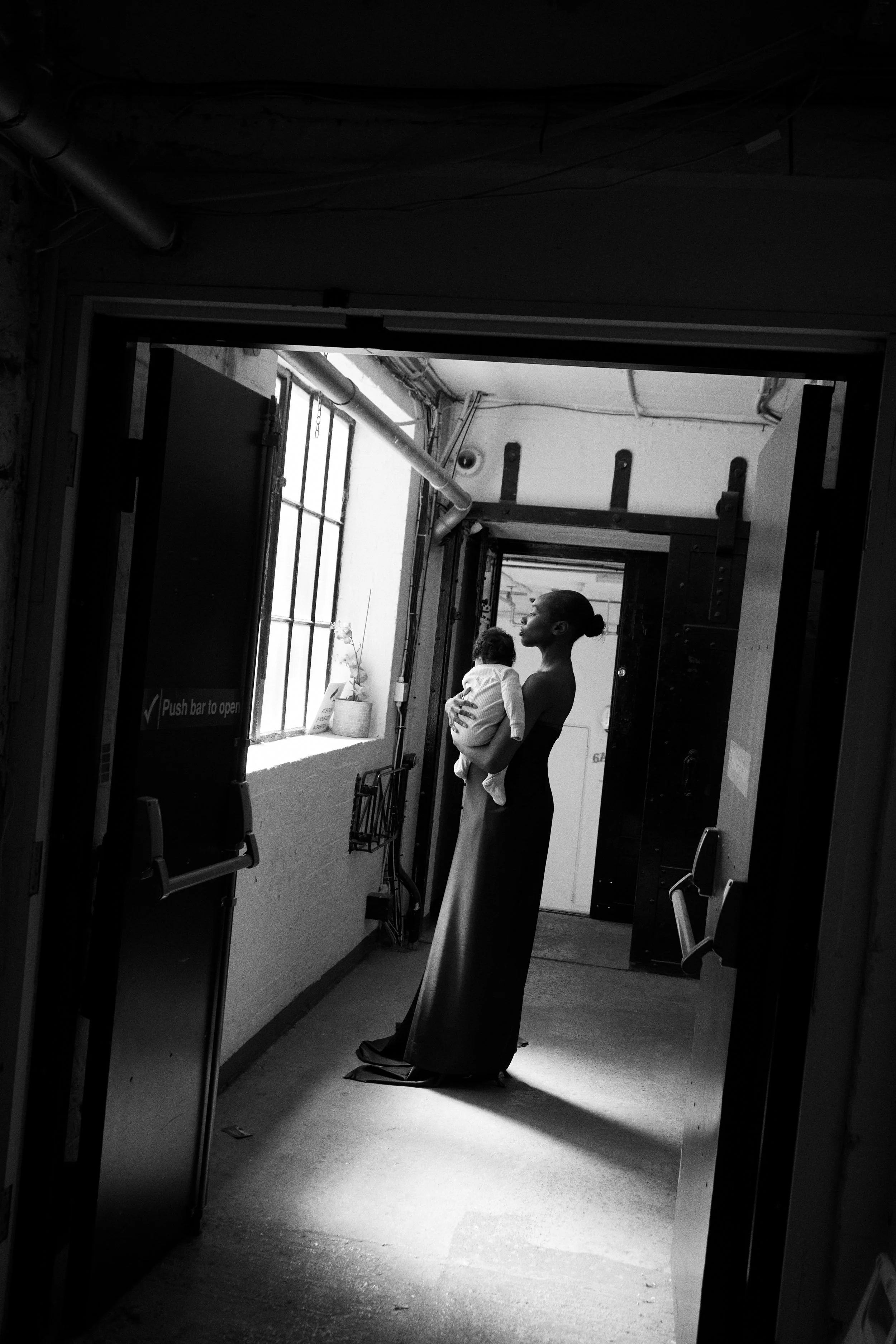
There’s a particular vulnerability in carrying a scar that tells a story before you’ve decided how to tell it yourself. What has your C-section scar taught you about acceptance, womanhood and the idea of permanence


I think there is a toxic “snapback” culture that had me in a chokehold at the beginning of postpartum.

I found out I was pregnant whilst on the road during a UK arena tour, which, as you can imagine, completely rocked my world. Initially I lost a lot of weight due to a severe case of Hyperemesis Gravidarum and I had gone almost my entire pregnancy without stretch marks, and then boom everything changed so quickly.  II spent three days in the birth centre, but due to a lack of progression, I had no other choice but to have an emergency C-section.That really did a number on me. I went from having what I saw as this perfect, untouched neat bump to suddenly looking at pigmentation, discoloration, fresh streaky stretch marks, an open wound and a catheter I had to wear for a month after Sky was born. It was a massive shock to my system. I didn’t have time to mourn my old body. I had to roll with the punches and acquaint myself with a new body that at first didn’t feel like mine.

I won’t pretend there wasn’t  resentment in the beginning. I felt like my body had changed before I had the chance to emotionally catch up with it. But that resentment slowly turned into celebration when I looked into my daughter’s eyes. Suddenly, it was all worth it. The scar, the marks, the healing, the discomfort  they were all part of the road that brought me to her.

As I watched my body slowly change again through breastfeeding, I started to feel awe instead of criticism. Although I do struggle with it now  and again. I remember my body had nurtured a soul. It has carried a human life, brought her into the world, fed her, and is still healing at the same time. That changed the way I saw permanence.
My scar is permanent, yes, but so is the love it represents. So is the strength it took to survive that moment. So is the woman I became on the other side of it. Now, when I look at my body, I try to see honour before I see imperfection. Because really what an honour it is.